
Trump wants to call the Strait of Hormuz US territory — an imperial performance with real market costs
A commentary on Trump's claim that he will declare the Strait of Hormuz US territory, the spectacle around it and the strain behind America's imperial confidence.
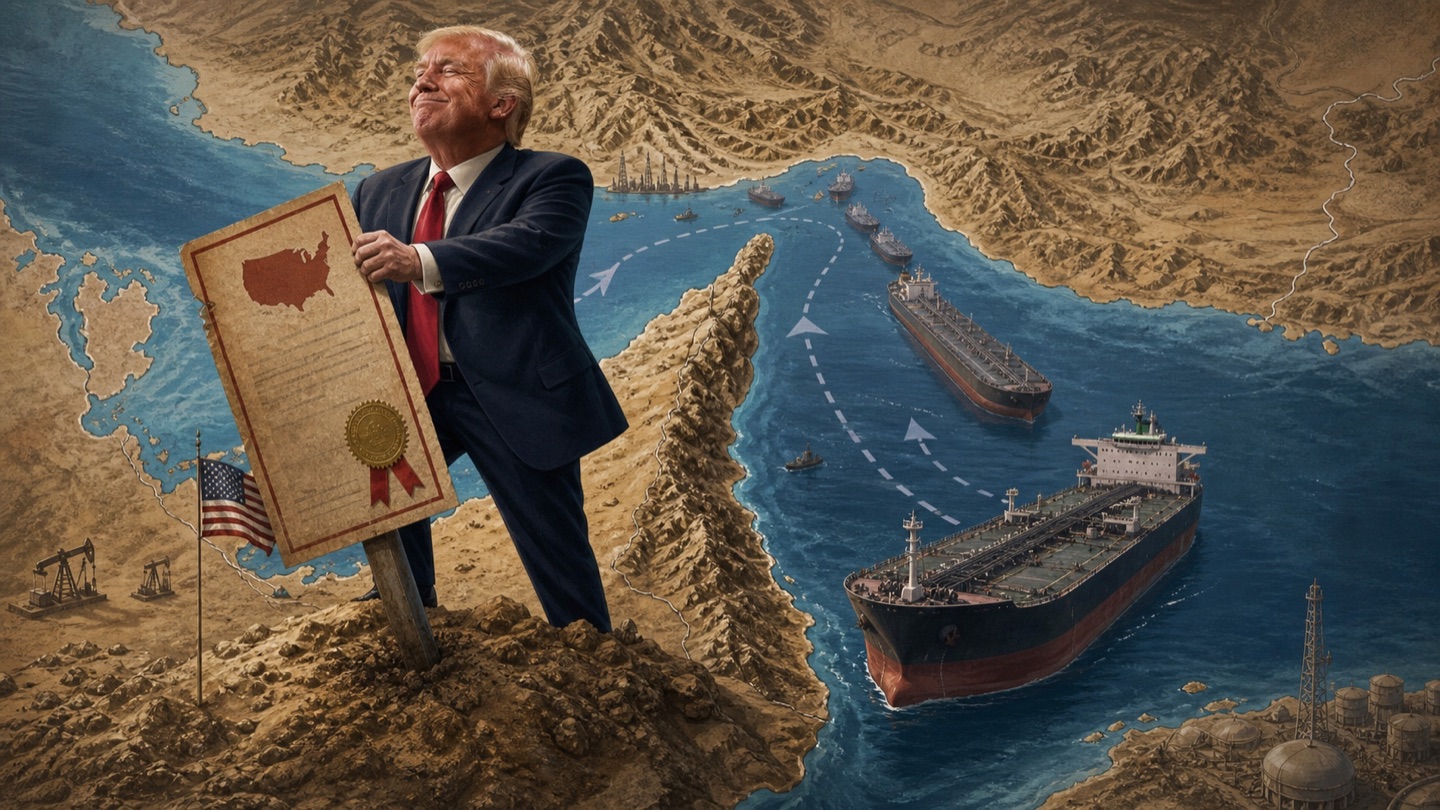
You have to hand it to Donald Trump: he dares to imagine, to say and to act.
His latest declaration has left the world staring in disbelief. America, you really are something.
At a rally on August 14, Trump said loudly: very soon, I will declare the Strait of Hormuz to be United States territory...
You heard him correctly. That is exactly what Trump said.
US territory is now to extend into the Middle East and the Persian Gulf. The empire is still expanding, still opening new frontiers.
Thucydides left a chilling line in *History of the Peloponnesian War*: the strong do what they can and the weak suffer what they must. More than two thousand years later, it can still seem like the only “international law” an empire believes in.
By my count, this would be the fifth place the United States has openly wanted to absorb during Trump 2.0.
First, Canada. Trump has repeatedly said that the United States will annex Canada and that Canada's prime minister is merely the governor of the 51st state.
Second, Greenland. Trump's son and Vice President Vance have both gone there to look around, stressing that the territory belongs with America.

Third, the Panama Canal. Trump wants to rewrite history and take back this golden waterway.
Fourth, Venezuela. Trump has more than once posted an image with a clear label: Venezuela, the 51st state of the United States.
Now it is the Strait of Hormuz.
Stopping Iran from obtaining nuclear weapons, preventing it from developing medium- and long-range missiles, overthrowing the Iranian government—apparently none of that was the point. America's objective, it would seem, is straightforward: take the Strait of Hormuz and make it US territory.
All doctrines end as business; all reasons end as excuses.
What made the scene more absurd was the roar of approval as soon as Trump finished speaking. America had gained another piece of territory.
A new map of the strait quickly appeared on overseas social media. The former Strait of Hormuz had been renamed America's “Strait of Liberty.”
The world was thunderstruck. Imperial expansion was being proclaimed openly, without even the need for disguise. It felt less like the 21st century than the 18th or 19th.
Will Iran accept Trump's declaration? Will the countries of the Middle East?
Iran must be just as astonished. Of the ten thousand things it may have imagined Trump doing, it probably did not expect him to announce so boldly that the Strait of Hormuz had become US territory.
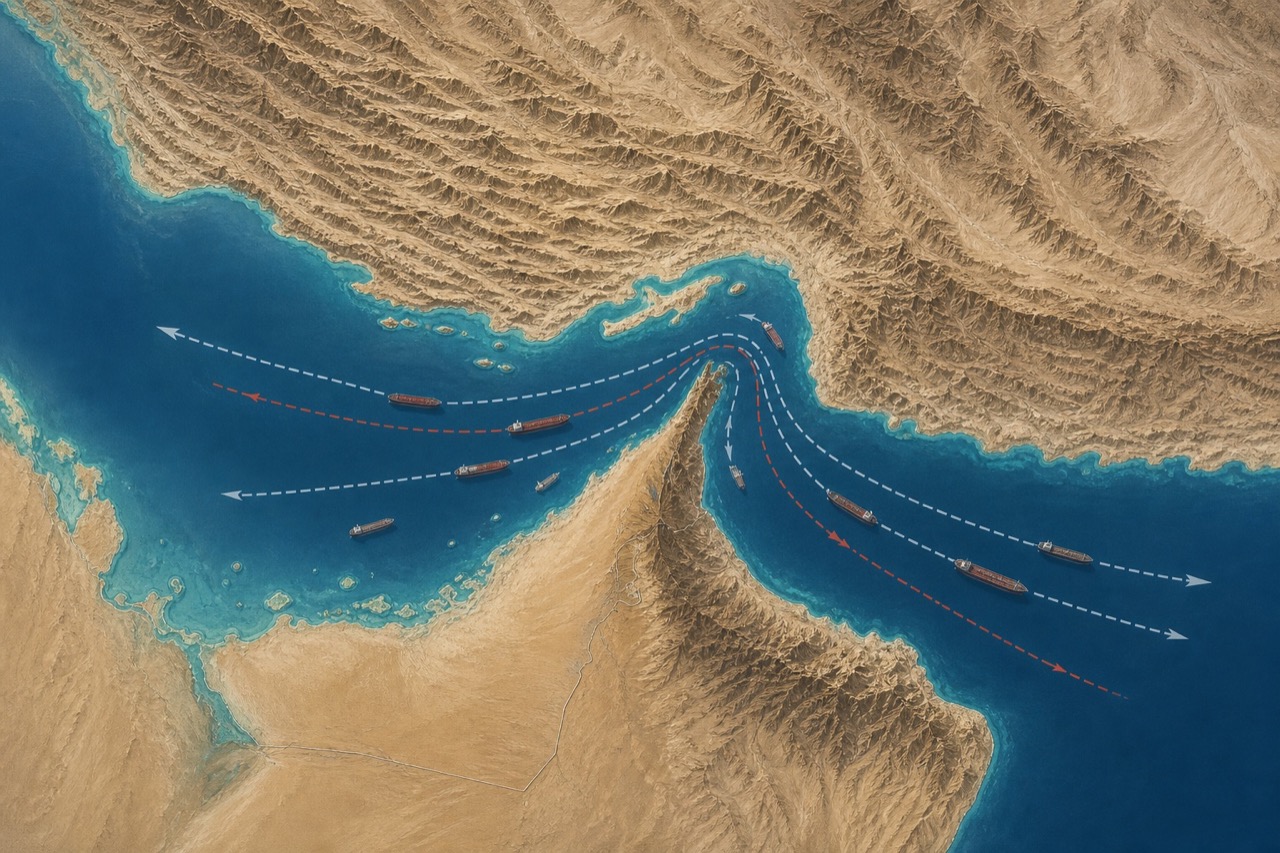
The United States and Iran would then be neighbours.
Of course, many informed observers had at least some idea of what to expect from Trump. Heraclitus said no one can step into the same river twice. The line seems not to apply to Trump: every day brings a brand-new river.
I recently saw a small tally compiled in the United States of Trump's changing answers about when the war with Iran would end:
- March 1: “Within four to five weeks.”
- March 7: “A little while longer.”
- March 9: “Very soon.”
- March 13: “As long as necessary.”
- April 5: “Within days, not weeks.”
- April 15: “It will end very soon.”
- May 1: “We are about to achieve a major victory.”
- June 7: “We are very close to reaching an agreement.”
- June 11: “We have just reached a major ceasefire agreement.”
- June 17: “We will resume strikes against them.”
- July 8: “Finish the job in one push.”
- July 27: “The talks are progressing well” ... “resume our originally planned operation.”
- August 1: “Cancel the attack” ... “quickly bring about an agreement.”
- August 3: “The last chance before a decapitation strike.”
- August 4: “The consultations are going very well” ... “Iran will suffer a heavy blow.”
- August 6: “The war will be over very soon.”
Note that this tally runs only through August 6. There have been more turns since then.
The only person in this world who can overturn Trump is the Trump of the following day.
Yet however Trump changes, Iran's position is clear: it controls the Strait of Hormuz; vessels must have Iran's consent to pass; and Iran and Oman should collect service fees.
Regardless of Washington's claim that it has complete control of the strait, or its attempts to entice international cargo ships to sail through, several vessels have been attacked in recent days. Navigation through the strait has effectively been interrupted, and international oil prices have surged.
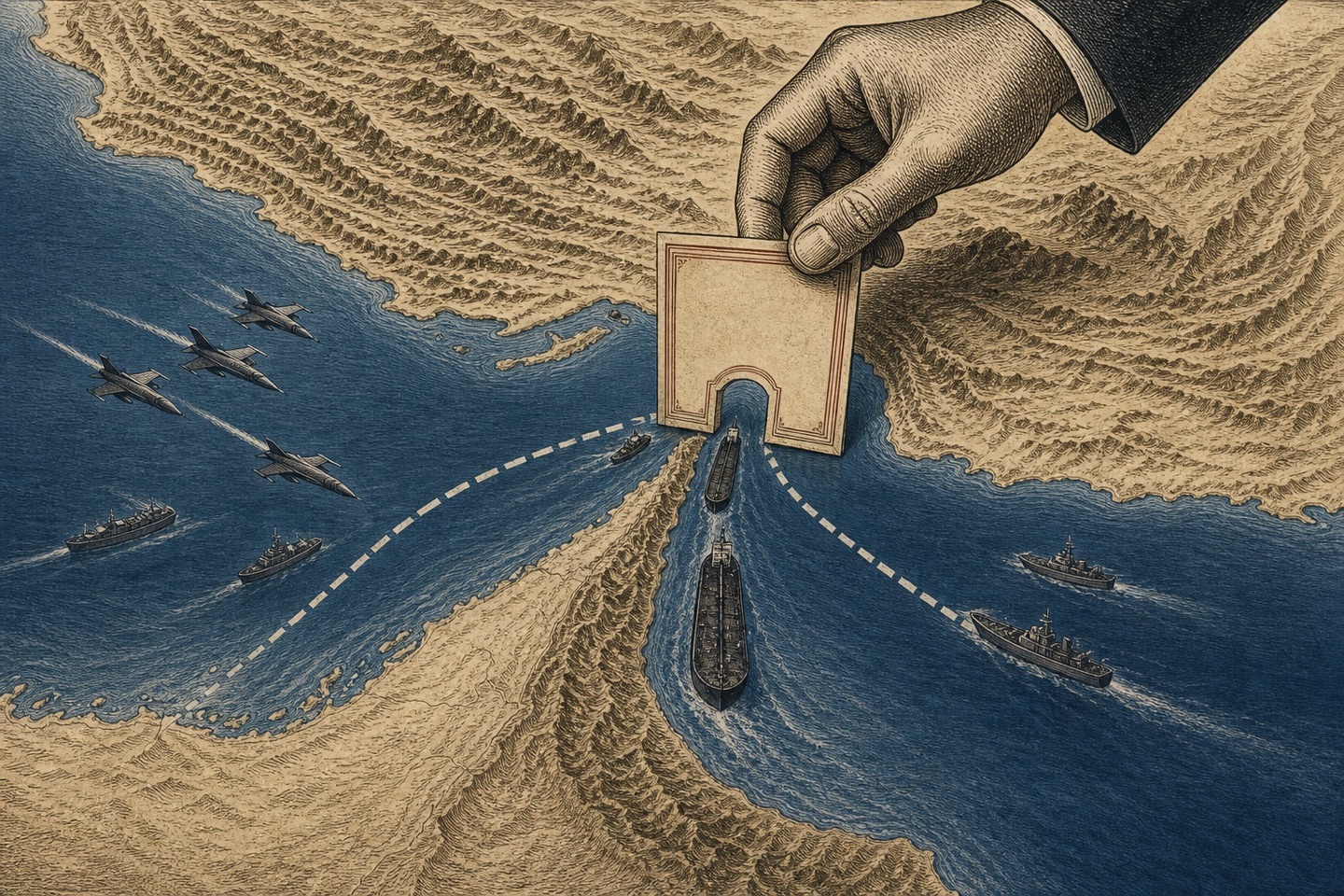
On those high prices, Trump's latest answer is that he will “never apologise” for taking military action against Iran, because he believes he did the right thing. Higher oil prices, he says, “don't matter.”
They may not matter to him. Some Americans, however, have not reached the same level of political enlightenment and are complaining loudly. American cars drink fuel, electric vehicles are not yet widespread, and driving in summer feels like burning money.
So how should we read all this? A friend complained yesterday that I always end with three points. Let us make it four today.
First: Trump's unrivalled ability to manufacture attention
This is the judgment an ordinary observer can make: there is no realistic way the Strait of Hormuz becomes US territory. International law does not permit it, and reality does not make it possible.
Even if one indulged the idea that the United States and Iran became neighbours, the entire Middle East would be thrown into chaos. Trump may be boasting, or he may simply be manufacturing attention.
On that score, if Trump calls himself the world's second-best, no other president would dare claim first place.
What deserves more thought is the cheering below the stage. Americans followed their leader into the madness, revealing the imperial instinct that still sits in some hearts.
Juvenal once mocked the Romans: give them bread and circuses and they will stop caring about freedom. Two thousand years later, the cheers suggest that the same recipe for human nature still works in America.
Second: the empire is not having an easy time
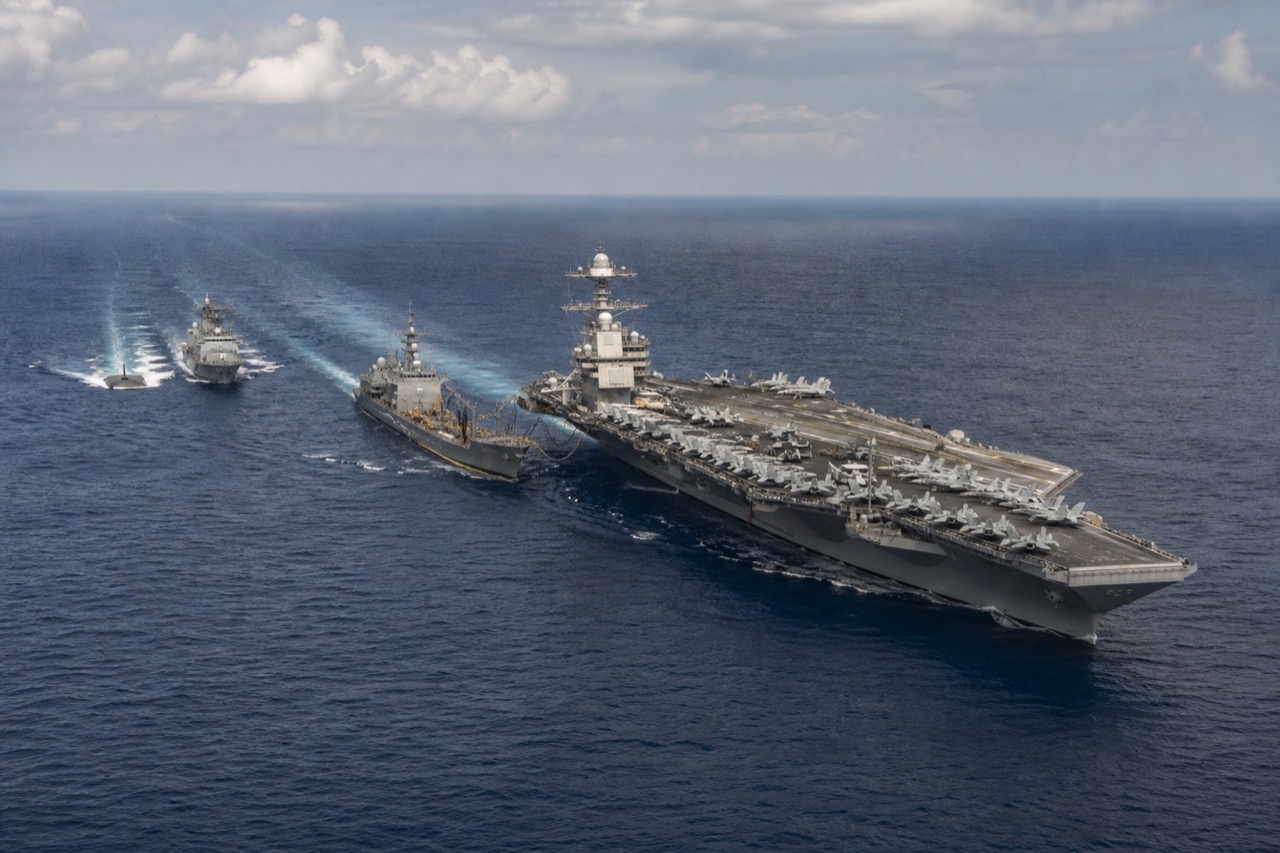
The biggest story in the American media recently has been the conditions exposed aboard the aircraft carrier *USS Abraham Lincoln*. The details are startling: one of America's most advanced nuclear-powered carriers reportedly lacks food, drinking water and even soap; many facilities are in poor condition; and some sailors have become so distressed that they want to jump overboard.
The pressure of an intense war and a deployment lasting more than 250 days have become too much for the troops. America cannot keep this pace indefinitely.
Paul Kennedy identified a pattern in *The Rise and Fall of the Great Powers*: empires rarely decline because the enemy is too strong. They decline because the front has become too long. Overextension is the medical emergency an empire writes for itself.
The US government's first response was to deny the reports, then quickly dispatch the *USS George Washington* to replace the *Lincoln*.
Trump's exchange with reporters was even more revealing.
A reporter said that sailors' families were worried about conditions aboard the *Lincoln*.
“No, they're not,” Trump replied.
Was the deployment lasting too long?
“No, no, no. Not nearly long enough.”
Third: the sharp commentary from Western social media
Under news of Trump's declaration that he would turn the Strait of Hormuz into US territory, I saw a comment that appeared to come from a Western user.
Did Trump know the story of Croesus, the fabulously wealthy last king of Lydia? The Oracle of Delphi told Croesus that he would destroy a great kingdom. He embraced expansion and launched military campaigns against Persia. Croesus did destroy a great kingdom—but it was his own, not Persia.
Who could this commenter possibly have been talking about?
Careful. President Trump may accuse you of mixing up the subject and failing to show proper respect.
Fourth: an image that is impossible not to laugh at
It is an interesting image, apparently made with AI. The former Strait of Hormuz has become the Strait of America. In a small American boat, Uncle Trump casts a fishing net.
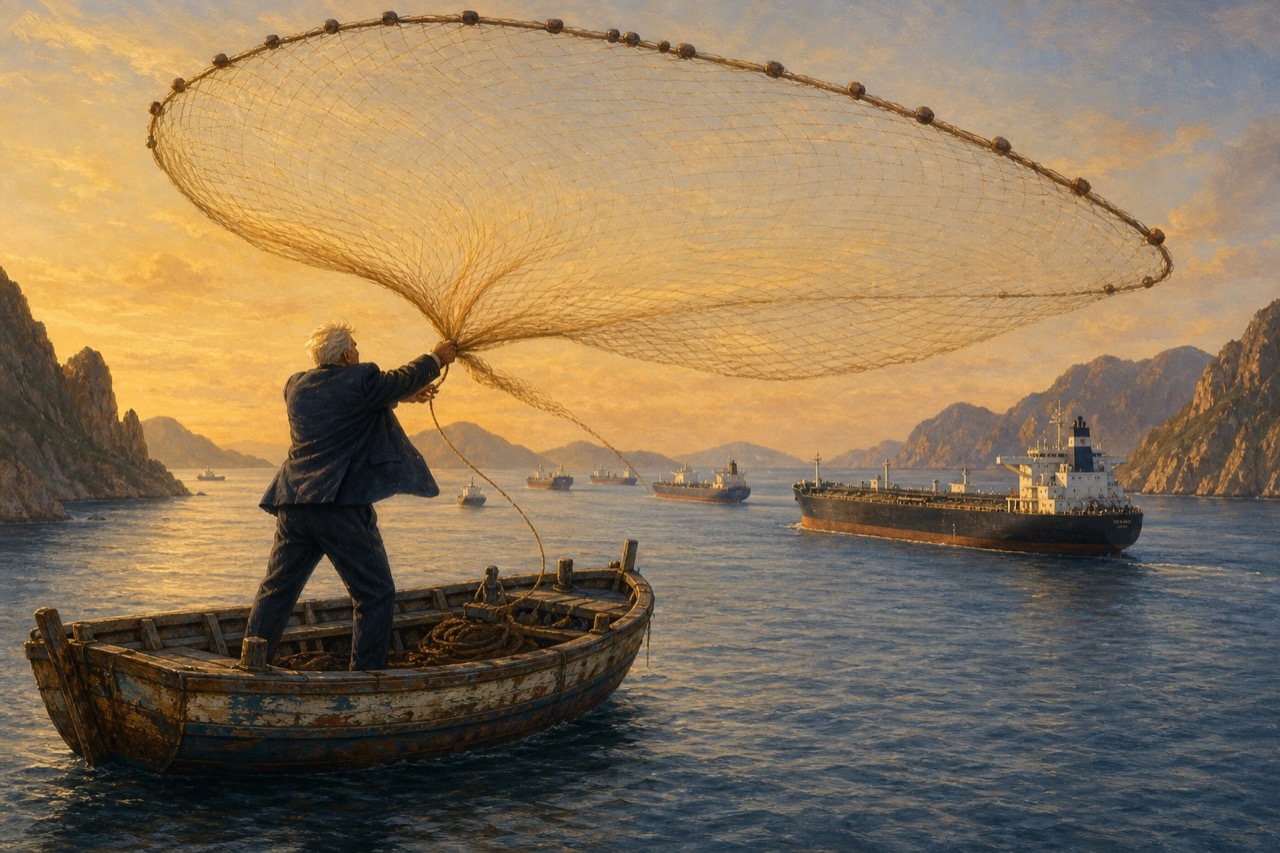
No birds cross the endless hills; the gulf burns with flames of war.
One old man beneath the stars casts a net filled with blood and trouble.
If it is all American territory now, perhaps that is the view we should expect.