
Hormuz stays shut: deadline passes as Iran hardens terms and Trump threatens Oman
The 60-day US-Iran memorandum lapsed with no successor. Tehran claims victory in both war and diplomacy; reopening is now priced against sanctions relief, frozen assets and an end to military operations.
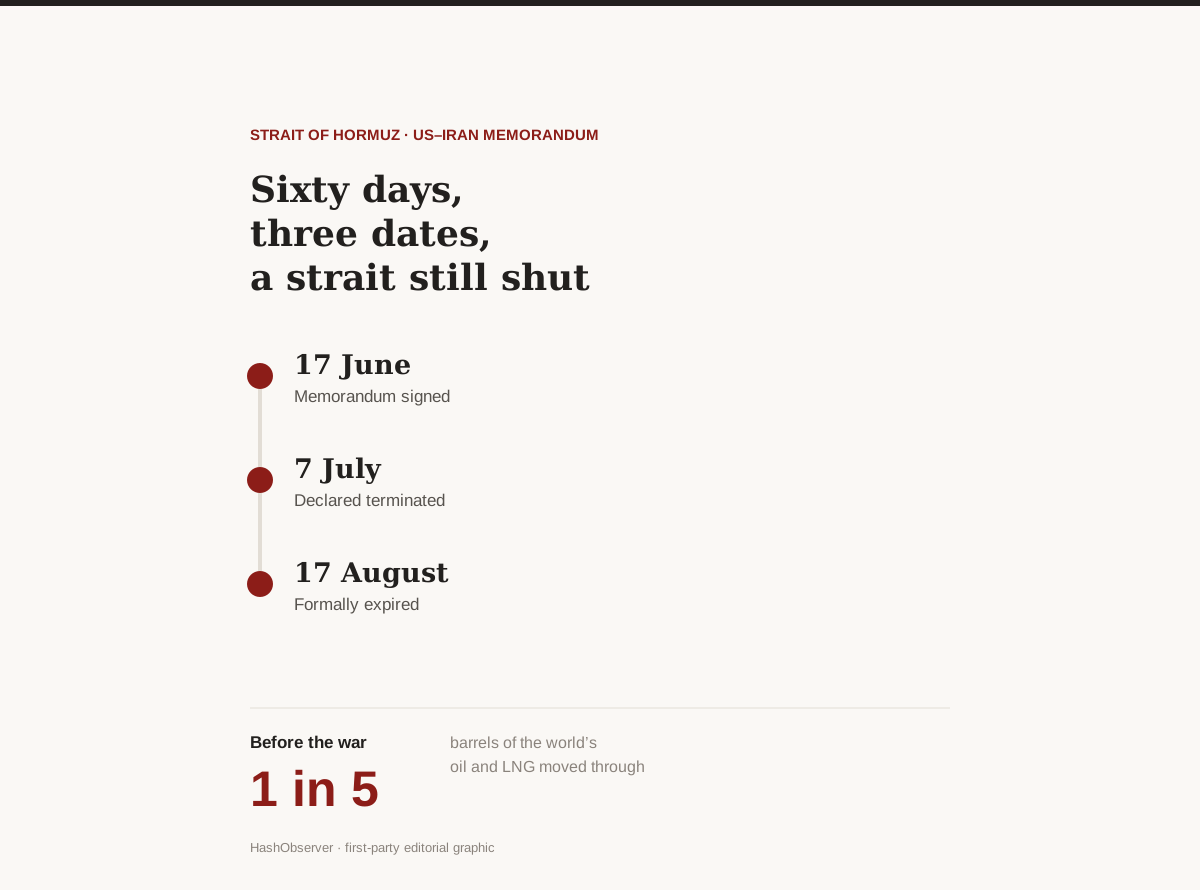
The 60-day interim memorandum between the US and Iran technically lapsed on Monday, closing — for now — the window for a permanent peace. President Trump, in a phone interview with Fox News, made clear he would not extend the agreement signed on June 17.
The deal, which covered Iran's nuclear programme among other issues, had long been dead in practice. Clashes continued after signing; Trump declared it terminated on July 7, and Iran's foreign ministry confirmed a suspension a week later.
Trump's latest position: no negotiations are underway or planned, the naval blockade remains fully in force, the Strait of Hormuz is open and operating normally, and all mines have been removed or detonated.
Iran tells it differently. Per IRNA, Foreign Minister Abbas Araghchi said the enemy sought talks soon after the war began, and that the memorandum — almost entirely in Iran's favour, in his telling — collapsed through obstruction he attributed to Israel. "We won the war, won diplomacy," he said, repeating an assessment he attributed to foreign ambassadors in Tehran.
Araghchi also claimed Washington stood ready to unlock some $24 billion in frozen Iranian funds — a figure the US side has not confirmed.
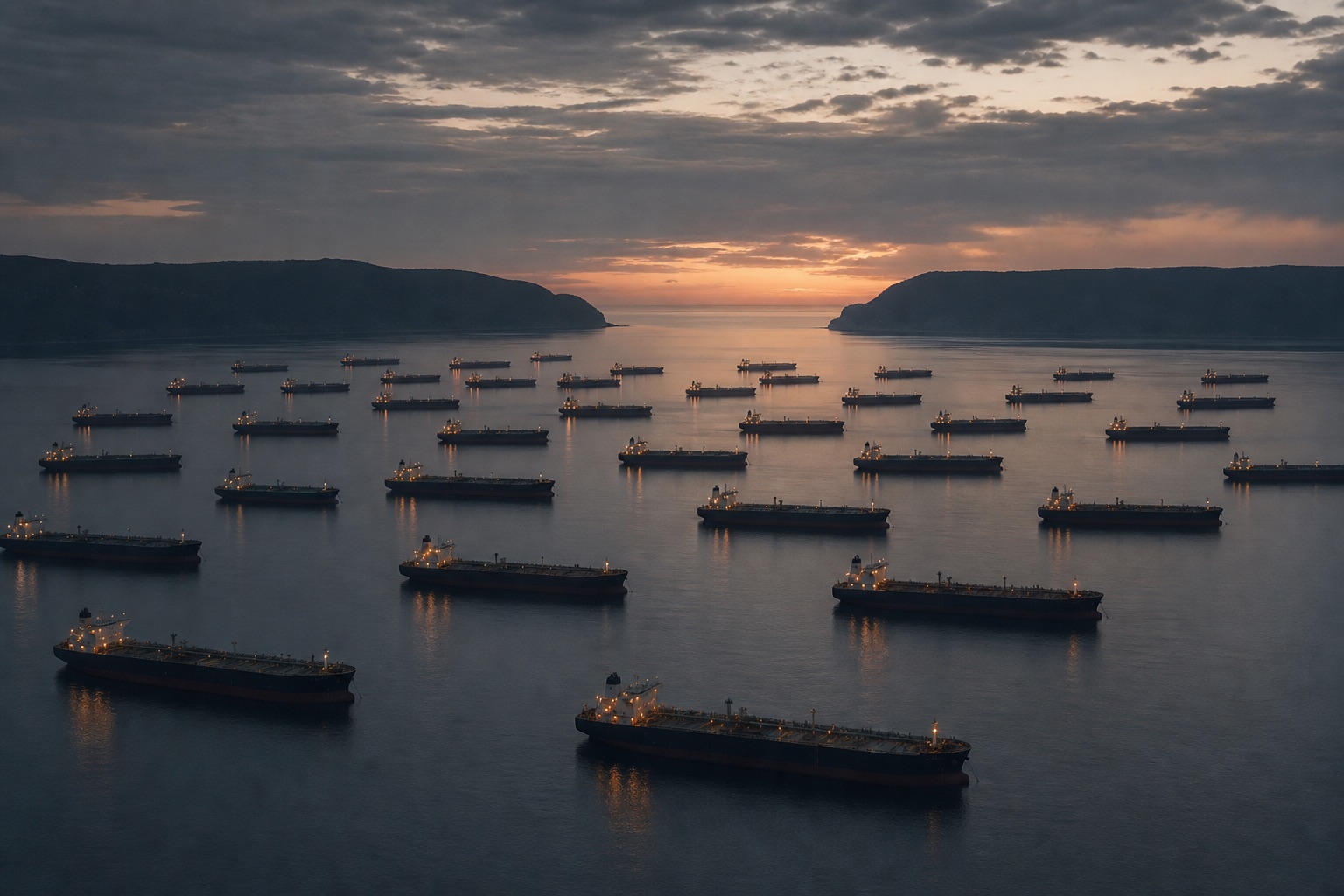
At the core of the collapse is control of the Strait of Hormuz, through which a fifth of the world's oil and LNG flowed before the war.
On Tuesday, parliament speaker and chief negotiator Mohammad Bagher Ghalibaf set out the hard line to parliament: Hormuz stays closed until the US satisfies the conditions of the 14-point June memorandum, and he warned of a renewed military response to what Tehran calls a US breach of covenant.
The conditions he framed as non-negotiable: lift the blockade on Iranian ports and the oil sanctions, release Tehran's frozen assets, and fully cease military operations and threats on all fronts.
To break the deadlock, Iran is bypassing Washington and negotiating strait management bilaterally with Oman — a close US security partner. Araghchi has called the talks very close to a deal, and Oman's foreign ministry describes them as positive and constructive; reopening, Tehran stresses, would still be subject to further conditions.
Trump's response was a direct threat to attack Oman if it interferes with US efforts in the waterway — aimed at a country that is not a formal US military ally, and offered without operational detail.
Stalled diplomacy is translating directly into military pressure. A senior Iranian official told Reuters on Monday that with little hope of permanently ending the conflict, Iran has shifted to a posture of full offence.
Per Iran's Nour News, the military is now screening the commercial shipping networks that provide logistics for US forces. US Military Sealift Command has long used private operators to move fuel, munitions, equipment and food through the theatre.
Officials stressed such support will not be treated as mere commerce: vessels will be judged by their actual role, not their nationality or flag. The warning to industry was blunt — any company or ship manager knowingly carrying supplies for US operations against Iran faces sanctions and economic, legal and retaliatory countermeasures.